Recent Posts
If you’re looking for a safe, affordable escrow service in Kenya, one question comes up first: what does it cost? With Lockpesa, withdrawing your money is completely free.What Is Lockpesa?Lockpesa is a secure escrow service that protects both buyers and sellers. Instead of sending money and hoping the other side delivers, you lock the funds in a Lockpesa lock account. The money is released only when the agreed terms are met.How Much Does Lockpesa Charge for Withdrawals?Nothing. Withdrawals are free.
M-Pesa withdrawals: zero charge
Bank transfer withdrawals: zero charge
Once your escrow deal is complete, you receive your full money straight to your M-Pesa or bank account, with no withdrawal fees taken out.Why Use a Lock Account?A lock account holds funds safely until both parties are satisfied. It works well for:
Online purchases and marketplace deals
Freelance and service payments
Vehicle, land and property deposits
Business transactions between people who’ve never met
How Lockpesa Escrow Works
Agree on the deal and terms with the other party
Lock the money in a Lockpesa lock account
The seller delivers the goods or service
Funds are released and withdrawn to M-Pesa or your bank, free of charge
Start Locking Money SafelyWhether you’re buying, selling, or hiring, Lockpesa gives you a trusted escrow service built for how Kenyans pay, with M-Pesa at the centre and no withdrawal fees.
-

- Today at 3:09 PM

Many Kenyans searching for ways to save money safely ask whether Lockpesa offers a lock savings account. The short answer is no, Lockpesa does not have a lock savings account.What Lockpesa Actually IsLockpesa is an escrow service, not a savings product. Its purpose is to protect buyers and sellers making safe deals. When you pay through Lockpesa, your money is held securely until the agreed conditions are met, and only then is it released to the seller.Lock Savings vs Escrow: What’s the Difference?Lock savings account
Built for personal savings goals
You choose how long to lock your own money away
Aimed at discipline and long-term saving
Lockpesa escrow
Built for safe payments between two parties
Money is locked for a specific transaction
Released when the buyer and seller are both satisfied
The word “lock” in Lockpesa refers to locking money for a deal, not locking it away for savings.What Can You Use Lockpesa For?
Buying phones, laptops and other electronics online
Paying freelancers and service providers
Buying and selling on social media marketplaces
Rent deposits, event bookings and other secure payments
Withdrawing funds to mobile wallets or bank accounts
Looking for a Lock Savings Account?If your goal is to save, look at savings products from banks, SACCOs and mobile money providers, such as M-Shwari Lock Savings from Safaricom. Compare their terms, lock periods and withdrawal rules before choosing. Use Lockpesa when you need to pay or get paid safely.
-
- Today at 12:54 PM

If you’re planning to buy a car, pay for a big online order or hire a freelancer, you’ll want to know how much you can lock in escrow at once. The maximum amount allowed per Lockpesa transaction is KES 250,000.Lockpesa Transaction Limit at a Glance
Maximum per transaction: KES 250,000
Funding method: M-Pesa or bank transfer
Service type: Secure escrow for online buyers and sellers in Kenya
Why Does Lockpesa Have a Transaction Limit?Escrow limits keep payments safe, traceable and well managed. A clear cap on each Lockpesa escrow transaction protects buyers and sellers from fraud and keeps the platform reliable. It also fits the way most everyday M-Pesa and online deals work.What If My Deal Is Worth More Than KES 250,000?If a purchase or contract is above KES 250,000, you can split it into smaller escrow transactions. For example, you can lock the payment in stages, such as a deposit first and the balance after delivery. This also works well for milestone payments on larger projects, because you only release money as each stage is completed.What Can You Lock Within the Limit?KES 250,000 covers most everyday deals in Kenya:
Phones, laptops and electronics
Online shop orders and social media purchases
Freelance and service payments
Rent deposits and event bookings
Second-hand goods and small business supplies
Tips for Using Lockpesa Escrow
Confirm the amount before you lock your money.
Make sure your M-Pesa balance covers the amount and any charges.
Keep your transaction ID and M-Pesa confirmation message.
Release the funds only after you’ve received what you paid for.
Trade Safely with Lockpesa
Lockpesa gives you a safe way to pay and get paid in Kenya, with funds held securely in escrow until the deal is done. With a limit of KES 250,000 per transaction, you can handle most online deals with confidence. Download the app or visit lockpesa.com to get started.
-
- Today at 12:34 PM

Buying or selling online in Kenya can be risky when you don’t know who is on the other side. Lockpesa’s escrow service solves this by holding your money safely until both parties are satisfied. You can fund it straight from M-Pesa or bank transfer.What Is Lockpesa Escrow?Lockpesa is an escrow service that acts as a neutral third party. When you lock money in your escrow account, the seller can’t touch it and you can’t take it back until the agreed conditions are met. This protects buyers and sellers in online sales, freelance jobs, rentals and other deals.How to Lock Money from M-PesaCreate your Lockpesa account. Download the app or visit the website: www.lockpesa.com, then sign up with your phone number.Start a new escrow transaction. Enter the seller’s details, the amount, and a short description of the deal.Choose M-Pesa as your payment method. Select M-Pesa and confirm the phone number you’ll pay with.Approve the M-Pesa STK Push. A payment prompt will appear on your phone. Enter your M-Pesa PIN to authorize the payment.Wait for confirmation. Once payment goes through, your money is locked in escrow, and you and the seller both get notified.Release the funds. When you’ve received the goods or service as agreed, release the money to the seller.Why Use Lockpesa Escrow?Safe online payments: Your money is held securely until delivery.Fraud protection: Reduces the risk of scams in online deals.Convenient: Pay with M-Pesa, the payment method Kenyans already trust.Fair for both sides: Sellers know the money is real, and buyers know it’s protected.Tips for a Smooth Escrow PaymentDouble-check the amount and the seller’s details before paying.Make sure your M-Pesa account has enough balance, including transaction charges.Keep your M-Pesa confirmation message and your Lockpesa transaction ID.Start Locking Money TodayWhether you’re buying a phone, hiring a freelancer or paying for a service, Lockpesa escrow makes M-Pesa payments safer. Create your account today and trade with confidence.
-
- Today at 12:26 PM
December brings a surge in buying and selling across Kenya, gifts, travel arrangements, bulk purchases for celebrations, and with it, a rise in opportunistic scams targeting distracted, busy shoppers.Why escrow matters more in December: Higher transaction volumes and unfamiliar seasonal sellers make it easier for fraud to slip through unnoticed during the busiest shopping weeks of the year.1. Agree on terms. Buyer and seller settle on price, timeline and what completion looks like.2. Fund the escrow. The buyer deposits the agreed amount into LockPesa, where it sits securely.3. Deliver. The seller completes the work or ships the goods, knowing the funds are already secured.4. Confirm. The buyer confirms the deal was completed as agreed.5. Release. LockPesa releases the funds to the seller, or keeps them locked if a dispute is raised.Before your next holiday purchase, particularly with someone you are dealing with for the first time, it is worth running it through LockPesa. The small extra step of using escrow can prevent a costly loss.Escrow is not about assuming bad faith in the other party, most transactions complete smoothly without any issue at all. It is about removing the small but real chance of loss so both sides can commit to a deal fully, rather than hesitating out of caution.As more Kenyans buy, sell and invest with people outside their immediate circle of family, friends and known contacts, having a simple, accessible way to protect those transactions matters more than ever, whether the amount involved is a few thousand shillings or several million.If you have not used escrow before, consider starting with a smaller, lower-stakes transaction to get comfortable with how deposits, confirmations and releases work, before relying on it for a larger or more important deal.A well-run escrow transaction also leaves both sides with something less obvious but equally valuable: a track record. Once a buyer and seller have completed one protected deal successfully, future transactions between them often move faster, sometimes even without escrow, because the trust has already been established through that first protected exchange.This is one reason LockPesa is increasingly seen not as an extra hurdle, but as a normal, sensible first step for any transaction involving real money and a party you do not yet know well.
-
- 12/31/2026

Social media platforms have become a major marketplace in Kenya, but they offer little built-in protection for buyers dealing with sellers they found through a post or advert.Why escrow fills this gap: Unlike established e-commerce platforms, social media selling rarely includes buyer protection, making a separate escrow step especially valuable.1. Agree on terms. Buyer and seller settle on price, timeline and what completion looks like.2. Fund the escrow. The buyer deposits the agreed amount into LockPesa, where it sits securely.3. Deliver. The seller completes the work or ships the goods, knowing the funds are already secured.4. Confirm. The buyer confirms the deal was completed as agreed.5. Release. LockPesa releases the funds to the seller, or keeps them locked if a dispute is raised.Before your next social media purchase, particularly with someone you are dealing with for the first time, it is worth running it through LockPesa. The small extra step of using escrow can prevent a costly loss.Escrow is not about assuming bad faith in the other party, most transactions complete smoothly without any issue at all. It is about removing the small but real chance of loss so both sides can commit to a deal fully, rather than hesitating out of caution.As more Kenyans buy, sell and invest with people outside their immediate circle of family, friends and known contacts, having a simple, accessible way to protect those transactions matters more than ever, whether the amount involved is a few thousand shillings or several million.If you have not used escrow before, consider starting with a smaller, lower-stakes transaction to get comfortable with how deposits, confirmations and releases work, before relying on it for a larger or more important deal.A well-run escrow transaction also leaves both sides with something less obvious but equally valuable: a track record. Once a buyer and seller have completed one protected deal successfully, future transactions between them often move faster, sometimes even without escrow, because the trust has already been established through that first protected exchange.This is one reason LockPesa is increasingly seen not as an extra hurdle, but as a normal, sensible first step for any transaction involving real money and a party you do not yet know well.
-
- 12/30/2026

As Kenya's digital economy grows, consumer protection has struggled to keep pace with the speed of new online buying and selling behaviour. Escrow services like LockPesa fill part of that gap.Why this matters: Rather than waiting for formal consumer protection mechanisms to catch up, buyers and sellers can proactively protect themselves using escrow on a transaction-by-transaction basis.1. Agree on terms. Buyer and seller settle on price, timeline and what completion looks like.2. Fund the escrow. The buyer deposits the agreed amount into LockPesa, where it sits securely.3. Deliver. The seller completes the work or ships the goods, knowing the funds are already secured.4. Confirm. The buyer confirms the deal was completed as agreed.5. Release. LockPesa releases the funds to the seller, or keeps them locked if a dispute is raised.Before your next a transaction, particularly with someone you are dealing with for the first time, it is worth running it through LockPesa. The small extra step of using escrow can prevent a costly loss.Escrow is not about assuming bad faith in the other party, most transactions complete smoothly without any issue at all. It is about removing the small but real chance of loss so both sides can commit to a deal fully, rather than hesitating out of caution.As more Kenyans buy, sell and invest with people outside their immediate circle of family, friends and known contacts, having a simple, accessible way to protect those transactions matters more than ever, whether the amount involved is a few thousand shillings or several million.If you have not used escrow before, consider starting with a smaller, lower-stakes transaction to get comfortable with how deposits, confirmations and releases work, before relying on it for a larger or more important deal.A well-run escrow transaction also leaves both sides with something less obvious but equally valuable: a track record. Once a buyer and seller have completed one protected deal successfully, future transactions between them often move faster, sometimes even without escrow, because the trust has already been established through that first protected exchange.This is one reason LockPesa is increasingly seen not as an extra hurdle, but as a normal, sensible first step for any transaction involving real money and a party you do not yet know well.
-
- 12/29/2026
.jpg)
Escrow and bank guarantees are sometimes confused, since both involve a third party providing assurance around a financial commitment, but they work quite differently in practice.Bank guarantee: A promise from a bank to cover a payment if one party fails to fulfil their obligation, without the bank holding the actual transaction funds.Escrow: The actual transaction funds are held directly by a neutral party, like LockPesa, until conditions are met.1. Agree on terms. Buyer and seller settle on price, timeline and what completion looks like.2. Fund the escrow. The buyer deposits the agreed amount into LockPesa, where it sits securely.3. Deliver. The seller completes the work or ships the goods, knowing the funds are already secured.4. Confirm. The buyer confirms the deal was completed as agreed.5. Release. LockPesa releases the funds to the seller, or keeps them locked if a dispute is raised.Before your next a transaction, particularly with someone you are dealing with for the first time, it is worth running it through LockPesa. The small extra step of using escrow can prevent a costly loss.Escrow is not about assuming bad faith in the other party, most transactions complete smoothly without any issue at all. It is about removing the small but real chance of loss so both sides can commit to a deal fully, rather than hesitating out of caution.As more Kenyans buy, sell and invest with people outside their immediate circle of family, friends and known contacts, having a simple, accessible way to protect those transactions matters more than ever, whether the amount involved is a few thousand shillings or several million.If you have not used escrow before, consider starting with a smaller, lower-stakes transaction to get comfortable with how deposits, confirmations and releases work, before relying on it for a larger or more important deal.A well-run escrow transaction also leaves both sides with something less obvious but equally valuable: a track record. Once a buyer and seller have completed one protected deal successfully, future transactions between them often move faster, sometimes even without escrow, because the trust has already been established through that first protected exchange.This is one reason LockPesa is increasingly seen not as an extra hurdle, but as a normal, sensible first step for any transaction involving real money and a party you do not yet know well.
-
- 12/27/2026

Chamas, informal investment and savings groups common across Kenya, sometimes pool funds for a joint investment, real estate, a business venture, or a larger asset purchase, which introduces a different kind of risk.How escrow can help chamas: Pooled funds committed to an external party, such as a seller or investment opportunity, can be routed through escrow to protect the group's collective contribution.1. Agree on terms. Buyer and seller settle on price, timeline and what completion looks like.2. Fund the escrow. The buyer deposits the agreed amount into LockPesa, where it sits securely.3. Deliver. The seller completes the work or ships the goods, knowing the funds are already secured.4. Confirm. The buyer confirms the deal was completed as agreed.5. Release. LockPesa releases the funds to the seller, or keeps them locked if a dispute is raised.Before your next chama investment, particularly with someone you are dealing with for the first time, it is worth running it through LockPesa. The small extra step of using escrow can prevent a costly loss.Escrow is not about assuming bad faith in the other party, most transactions complete smoothly without any issue at all. It is about removing the small but real chance of loss so both sides can commit to a deal fully, rather than hesitating out of caution.As more Kenyans buy, sell and invest with people outside their immediate circle of family, friends and known contacts, having a simple, accessible way to protect those transactions matters more than ever, whether the amount involved is a few thousand shillings or several million.If you have not used escrow before, consider starting with a smaller, lower-stakes transaction to get comfortable with how deposits, confirmations and releases work, before relying on it for a larger or more important deal.A well-run escrow transaction also leaves both sides with something less obvious but equally valuable: a track record. Once a buyer and seller have completed one protected deal successfully, future transactions between them often move faster, sometimes even without escrow, because the trust has already been established through that first protected exchange.This is one reason LockPesa is increasingly seen not as an extra hurdle, but as a normal, sensible first step for any transaction involving real money and a party you do not yet know well.
-
- 12/26/2026

Kenya's gig economy, freelancers, independent contractors and short-term project workers, has grown rapidly, and with it, the need for reliable payment protection between clients and workers who often never meet.Why LockPesa fits the gig economy: Short-term, project-based work benefits from a clear, documented payment structure that does not depend on an ongoing relationship of trust built over years.1. Agree on terms. Buyer and seller settle on price, timeline and what completion looks like.2. Fund the escrow. The buyer deposits the agreed amount into LockPesa, where it sits securely.3. Deliver. The seller completes the work or ships the goods, knowing the funds are already secured.4. Confirm. The buyer confirms the deal was completed as agreed.5. Release. LockPesa releases the funds to the seller, or keeps them locked if a dispute is raised.Before your next gig work arrangement, particularly with someone you are dealing with for the first time, it is worth running it through LockPesa. The small extra step of using escrow can prevent a costly loss.Escrow is not about assuming bad faith in the other party, most transactions complete smoothly without any issue at all. It is about removing the small but real chance of loss so both sides can commit to a deal fully, rather than hesitating out of caution.As more Kenyans buy, sell and invest with people outside their immediate circle of family, friends and known contacts, having a simple, accessible way to protect those transactions matters more than ever, whether the amount involved is a few thousand shillings or several million.If you have not used escrow before, consider starting with a smaller, lower-stakes transaction to get comfortable with how deposits, confirmations and releases work, before relying on it for a larger or more important deal.A well-run escrow transaction also leaves both sides with something less obvious but equally valuable: a track record. Once a buyer and seller have completed one protected deal successfully, future transactions between them often move faster, sometimes even without escrow, because the trust has already been established through that first protected exchange.This is one reason LockPesa is increasingly seen not as an extra hurdle, but as a normal, sensible first step for any transaction involving real money and a party you do not yet know well.
-
- 12/25/2026
Expanding into a new geographic market or customer segment means dealing with unfamiliar partners, suppliers and customers, exactly the situation where LockPesa escrow adds the most value.Why this matters for expansion: Instead of slowly building trust the traditional way before expanding, an SME can move into a new market immediately, using escrow to manage the early risk of unfamiliar relationships.1. Agree on terms. Buyer and seller settle on price, timeline and what completion looks like.2. Fund the escrow. The buyer deposits the agreed amount into LockPesa, where it sits securely.3. Deliver. The seller completes the work or ships the goods, knowing the funds are already secured.4. Confirm. The buyer confirms the deal was completed as agreed.5. Release. LockPesa releases the funds to the seller, or keeps them locked if a dispute is raised.Before your next market expansion, particularly with someone you are dealing with for the first time, it is worth running it through LockPesa. The small extra step of using escrow can prevent a costly loss.Escrow is not about assuming bad faith in the other party, most transactions complete smoothly without any issue at all. It is about removing the small but real chance of loss so both sides can commit to a deal fully, rather than hesitating out of caution.As more Kenyans buy, sell and invest with people outside their immediate circle of family, friends and known contacts, having a simple, accessible way to protect those transactions matters more than ever, whether the amount involved is a few thousand shillings or several million.If you have not used escrow before, consider starting with a smaller, lower-stakes transaction to get comfortable with how deposits, confirmations and releases work, before relying on it for a larger or more important deal.A well-run escrow transaction also leaves both sides with something less obvious but equally valuable: a track record. Once a buyer and seller have completed one protected deal successfully, future transactions between them often move faster, sometimes even without escrow, because the trust has already been established through that first protected exchange.This is one reason LockPesa is increasingly seen not as an extra hurdle, but as a normal, sensible first step for any transaction involving real money and a party you do not yet know well.
-
- 12/24/2026

Beyond making purchases more affordable, Lipa Pole Pole installment plans through LockPesa often help buyers and sellers build an ongoing relationship, since each installment is another point of positive interaction.Why this matters long-term: A buyer who completes a Lipa Pole Pole plan successfully often becomes a repeat customer, and a seller who honours the arrangement fairly builds a reputation for reliability.1. Agree on terms. Buyer and seller settle on price, timeline and what completion looks like.2. Fund the escrow. The buyer deposits the agreed amount into LockPesa, where it sits securely.3. Deliver. The seller completes the work or ships the goods, knowing the funds are already secured.4. Confirm. The buyer confirms the deal was completed as agreed.5. Release. LockPesa releases the funds to the seller, or keeps them locked if a dispute is raised.Before your next installment relationship, particularly with someone you are dealing with for the first time, it is worth running it through LockPesa. The small extra step of using escrow can prevent a costly loss.Escrow is not about assuming bad faith in the other party, most transactions complete smoothly without any issue at all. It is about removing the small but real chance of loss so both sides can commit to a deal fully, rather than hesitating out of caution.As more Kenyans buy, sell and invest with people outside their immediate circle of family, friends and known contacts, having a simple, accessible way to protect those transactions matters more than ever, whether the amount involved is a few thousand shillings or several million.If you have not used escrow before, consider starting with a smaller, lower-stakes transaction to get comfortable with how deposits, confirmations and releases work, before relying on it for a larger or more important deal.A well-run escrow transaction also leaves both sides with something less obvious but equally valuable: a track record. Once a buyer and seller have completed one protected deal successfully, future transactions between them often move faster, sometimes even without escrow, because the trust has already been established through that first protected exchange.This is one reason LockPesa is increasingly seen not as an extra hurdle, but as a normal, sensible first step for any transaction involving real money and a party you do not yet know well.
-
- 12/22/2026

Secondhand vehicle purchases in Kenya involve large sums of money exchanged between people who are frequently strangers, making it one of the highest-risk everyday transaction types.How escrow helps: Funds are only released to the seller once the buyer has inspected the vehicle and confirmed it matches what was agreed, reducing the risk of paying for a car that turns out to have undisclosed problems.1. Agree on terms. Buyer and seller settle on price, timeline and what completion looks like.2. Fund the escrow. The buyer deposits the agreed amount into LockPesa, where it sits securely.3. Deliver. The seller completes the work or ships the goods, knowing the funds are already secured.4. Confirm. The buyer confirms the deal was completed as agreed.5. Release. LockPesa releases the funds to the seller, or keeps them locked if a dispute is raised.Before your next vehicle purchase, particularly with someone you are dealing with for the first time, it is worth running it through LockPesa. The small extra step of using escrow can prevent a costly loss.Escrow is not about assuming bad faith in the other party, most transactions complete smoothly without any issue at all. It is about removing the small but real chance of loss so both sides can commit to a deal fully, rather than hesitating out of caution.As more Kenyans buy, sell and invest with people outside their immediate circle of family, friends and known contacts, having a simple, accessible way to protect those transactions matters more than ever, whether the amount involved is a few thousand shillings or several million.If you have not used escrow before, consider starting with a smaller, lower-stakes transaction to get comfortable with how deposits, confirmations and releases work, before relying on it for a larger or more important deal.A well-run escrow transaction also leaves both sides with something less obvious but equally valuable: a track record. Once a buyer and seller have completed one protected deal successfully, future transactions between them often move faster, sometimes even without escrow, because the trust has already been established through that first protected exchange.This is one reason LockPesa is increasingly seen not as an extra hurdle, but as a normal, sensible first step for any transaction involving real money and a party you do not yet know well.
-
- 12/21/2026

Weddings and large events often require sizable deposits paid months in advance to secure vendors, venues and services, long before the event itself takes place.Why this is risky without escrow: A lot can change in the months between paying a deposit and the actual event date, including a vendor becoming unreliable or unavailable.1. Agree on terms. Buyer and seller settle on price, timeline and what completion looks like.2. Fund the escrow. The buyer deposits the agreed amount into LockPesa, where it sits securely.3. Deliver. The seller completes the work or ships the goods, knowing the funds are already secured.4. Confirm. The buyer confirms the deal was completed as agreed.5. Release. LockPesa releases the funds to the seller, or keeps them locked if a dispute is raised.Before your next event deposit, particularly with someone you are dealing with for the first time, it is worth running it through LockPesa. The small extra step of using escrow can prevent a costly loss.Escrow is not about assuming bad faith in the other party, most transactions complete smoothly without any issue at all. It is about removing the small but real chance of loss so both sides can commit to a deal fully, rather than hesitating out of caution.As more Kenyans buy, sell and invest with people outside their immediate circle of family, friends and known contacts, having a simple, accessible way to protect those transactions matters more than ever, whether the amount involved is a few thousand shillings or several million.If you have not used escrow before, consider starting with a smaller, lower-stakes transaction to get comfortable with how deposits, confirmations and releases work, before relying on it for a larger or more important deal.A well-run escrow transaction also leaves both sides with something less obvious but equally valuable: a track record. Once a buyer and seller have completed one protected deal successfully, future transactions between them often move faster, sometimes even without escrow, because the trust has already been established through that first protected exchange.This is one reason LockPesa is increasingly seen not as an extra hurdle, but as a normal, sensible first step for any transaction involving real money and a party you do not yet know well.
-
- 12/20/2026

First-time online buyers in Kenya are often the most cautious, and rightly so, since they have not yet built confidence in buying from people they have never met.Why escrow is a good starting point: It removes the single biggest fear most first-time buyers have, sending money and receiving nothing in return.1. Agree on terms. Buyer and seller settle on price, timeline and what completion looks like.2. Fund the escrow. The buyer deposits the agreed amount into LockPesa, where it sits securely.3. Deliver. The seller completes the work or ships the goods, knowing the funds are already secured.4. Confirm. The buyer confirms the deal was completed as agreed.5. Release. LockPesa releases the funds to the seller, or keeps them locked if a dispute is raised.Before your next first online purchase, particularly with someone you are dealing with for the first time, it is worth running it through LockPesa. The small extra step of using escrow can prevent a costly loss.Escrow is not about assuming bad faith in the other party, most transactions complete smoothly without any issue at all. It is about removing the small but real chance of loss so both sides can commit to a deal fully, rather than hesitating out of caution.As more Kenyans buy, sell and invest with people outside their immediate circle of family, friends and known contacts, having a simple, accessible way to protect those transactions matters more than ever, whether the amount involved is a few thousand shillings or several million.If you have not used escrow before, consider starting with a smaller, lower-stakes transaction to get comfortable with how deposits, confirmations and releases work, before relying on it for a larger or more important deal.A well-run escrow transaction also leaves both sides with something less obvious but equally valuable: a track record. Once a buyer and seller have completed one protected deal successfully, future transactions between them often move faster, sometimes even without escrow, because the trust has already been established through that first protected exchange.This is one reason LockPesa is increasingly seen not as an extra hurdle, but as a normal, sensible first step for any transaction involving real money and a party you do not yet know well.
-
- 12/18/2026
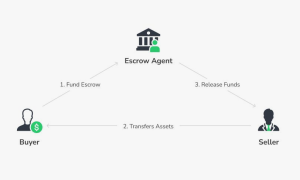
A common concern buyers have with escrow is what happens if the item they ordered arrives damaged. Understanding this scenario in advance removes much of the uncertainty.What typically happens: The buyer does not confirm the transaction as complete, which pauses the release of funds until the damage is addressed, whether through a replacement, refund, or partial release.1. Agree on terms. Buyer and seller settle on price, timeline and what completion looks like.2. Fund the escrow. The buyer deposits the agreed amount into LockPesa, where it sits securely.3. Deliver. The seller completes the work or ships the goods, knowing the funds are already secured.4. Confirm. The buyer confirms the deal was completed as agreed.5. Release. LockPesa releases the funds to the seller, or keeps them locked if a dispute is raised.Before your next a transaction, particularly with someone you are dealing with for the first time, it is worth running it through LockPesa. The small extra step of using escrow can prevent a costly loss.Escrow is not about assuming bad faith in the other party, most transactions complete smoothly without any issue at all. It is about removing the small but real chance of loss so both sides can commit to a deal fully, rather than hesitating out of caution.As more Kenyans buy, sell and invest with people outside their immediate circle of family, friends and known contacts, having a simple, accessible way to protect those transactions matters more than ever, whether the amount involved is a few thousand shillings or several million.If you have not used escrow before, consider starting with a smaller, lower-stakes transaction to get comfortable with how deposits, confirmations and releases work, before relying on it for a larger or more important deal.A well-run escrow transaction also leaves both sides with something less obvious but equally valuable: a track record. Once a buyer and seller have completed one protected deal successfully, future transactions between them often move faster, sometimes even without escrow, because the trust has already been established through that first protected exchange.This is one reason LockPesa is increasingly seen not as an extra hurdle, but as a normal, sensible first step for any transaction involving real money and a party you do not yet know well.
-
- 12/17/2026
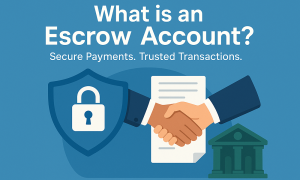
Despite its growing use in Kenya, a few misconceptions about escrow persist. Clearing these up helps more people feel comfortable using it.Misconception 1: Escrow is only for big companies. Individuals use escrow just as often for personal transactions as businesses do for commercial deals.Misconception 2: Escrow slows everything down. Most transactions move at the same pace they would otherwise, the difference is that the money is protected throughout.1. Agree on terms. Buyer and seller settle on price, timeline and what completion looks like.2. Fund the escrow. The buyer deposits the agreed amount into LockPesa, where it sits securely.3. Deliver. The seller completes the work or ships the goods, knowing the funds are already secured.4. Confirm. The buyer confirms the deal was completed as agreed.5. Release. LockPesa releases the funds to the seller, or keeps them locked if a dispute is raised.Before your next a transaction, particularly with someone you are dealing with for the first time, it is worth running it through LockPesa. The small extra step of using escrow can prevent a costly loss.Escrow is not about assuming bad faith in the other party, most transactions complete smoothly without any issue at all. It is about removing the small but real chance of loss so both sides can commit to a deal fully, rather than hesitating out of caution.As more Kenyans buy, sell and invest with people outside their immediate circle of family, friends and known contacts, having a simple, accessible way to protect those transactions matters more than ever, whether the amount involved is a few thousand shillings or several million.If you have not used escrow before, consider starting with a smaller, lower-stakes transaction to get comfortable with how deposits, confirmations and releases work, before relying on it for a larger or more important deal.A well-run escrow transaction also leaves both sides with something less obvious but equally valuable: a track record. Once a buyer and seller have completed one protected deal successfully, future transactions between them often move faster, sometimes even without escrow, because the trust has already been established through that first protected exchange.This is one reason LockPesa is increasingly seen not as an extra hurdle, but as a normal, sensible first step for any transaction involving real money and a party you do not yet know well.
-
- 12/16/2026
At its core, every benefit of escrow traces back to one idea: reducing the risk that either side of a transaction loses money or goods without receiving what they were promised in return.How risk reduction plays out: Buyers are protected from paying for something that never arrives, and sellers are protected from delivering something they are never paid for.1. Agree on terms. Buyer and seller settle on price, timeline and what completion looks like.2. Fund the escrow. The buyer deposits the agreed amount into LockPesa, where it sits securely.3. Deliver. The seller completes the work or ships the goods, knowing the funds are already secured.4. Confirm. The buyer confirms the deal was completed as agreed.5. Release. LockPesa releases the funds to the seller, or keeps them locked if a dispute is raised.Before your next a transaction, particularly with someone you are dealing with for the first time, it is worth running it through LockPesa. The small extra step of using escrow can prevent a costly loss.Escrow is not about assuming bad faith in the other party, most transactions complete smoothly without any issue at all. It is about removing the small but real chance of loss so both sides can commit to a deal fully, rather than hesitating out of caution.As more Kenyans buy, sell and invest with people outside their immediate circle of family, friends and known contacts, having a simple, accessible way to protect those transactions matters more than ever, whether the amount involved is a few thousand shillings or several million.If you have not used escrow before, consider starting with a smaller, lower-stakes transaction to get comfortable with how deposits, confirmations and releases work, before relying on it for a larger or more important deal.A well-run escrow transaction also leaves both sides with something less obvious but equally valuable: a track record. Once a buyer and seller have completed one protected deal successfully, future transactions between them often move faster, sometimes even without escrow, because the trust has already been established through that first protected exchange.This is one reason LockPesa is increasingly seen not as an extra hurdle, but as a normal, sensible first step for any transaction involving real money and a party you do not yet know well.
-
- 12/15/2026
Featured Posts

Teelpay is the ultimate mobile app for buying airtime quickly, securely, and conveniently across all major networks in Kenya. Whether you are topping up your own line or sending airtime to family and friends, Teelpay makes the process simple and instant.With Teelpay, you can purchase airtime for multiple providers in one place, eliminating the need to switch between different payment methods or services. The app supports airtime top-ups for Safaricom, Airtel, Telkom, Equitel, and Faiba, making it the most reliable all-in-one airtime solution.Why Choose Teelpay?
Supports All Networks – Buy airtime for Safaricom, Airtel, Telkom, Equitel, and Faiba.
Fast and Instant Top-Ups – Airtime is delivered immediately after payment.
Easy to Use – Simple interface designed for everyone.
Secure Payments – Safe transactions through trusted payment options.
Send Airtime Anytime – Top up for yourself or others in seconds.
Buy Airtime Using TeelpayUsing Teelpay is straightforward:
Download and open the Teelpay app
Select your preferred network (Safaricom, Airtel, Telkom, Equitel, or Faiba)
Enter the phone number to receive airtime
Choose the airtime amount
Confirm payment and receive airtime instantly
Teelpay is the best choice for anyone looking for a fast, reliable, and convenient way to buy airtime across all networks in Kenya.
-
- 02/11/2026
Buying airtime for all network has never been easy thanks to
several innovative solutions. TeelPay offers innovative solutions to
conveniently buy airtime for all networks from Safaricom to Airtel and Telkom.
Use the official PayBill number 4142145 to buy Airtel and Telkom airtime of any
amount. However, you’ll be charged for airtime amounts exceeding KES 100. Step by Step Guide to Buying Airtel Airtime from M-PESA for
FreeGo to M-PESA menu and select Lipa Na M-pesaSelect PayBill option Enter PayBill number 4142145, the official PayBill to buy
Airtel airtime Enter the airtime amount you would like to purchase. To buy
Airtel and Telkom airtime amount without charges, enter amounts between 5 and
100. Enter your Airtel or Telkom number as the account numberEnter your M-PESA PIN to authorize transaction
Wait for text message from M-PESA and Airtel or Telkom to
ensure complete transaction and your airtime amount is credited to your airtime
account.
-
- 02/28/2025

In today's interconnected world, sending money internationally is more common than ever. Whether you're supporting family abroad, paying a remote contractor, or splitting a vacation bill with friends, there are numerous ways to get your funds where they need to go. This article explores the different methods available for sending money globally, helping you choose the best option for your needs.Banks and Wire TransfersBanks have long facilitated international money transfers, often using a system called SWIFT. While secure and reliable, bank transfers can be slow and expensive. They typically incur high fees, and exchange rates might not be the most competitive.Online Money Transfer A new breed of online money transfer services has emerged, offering a faster and more cost-effective alternative to traditional banks. TeelPay offers online money transfer services, leveraging technology to streamline the process. They often boast lower fees, transparent exchange rates displayed upfront, and the convenience of online or mobile app transfers.Factors to consider when choosing the Right ServiceFees: Compare transfer fees between services, including any hidden costs.Exchange Rates: Look for services offering competitive exchange rates to maximize the amount received by your recipient.Speed: Consider whether you need the transfer to arrive instantly or if a slower, cheaper option suffices.Delivery Method: Will the recipient receive the money in their bank account, for cash pickup, or as mobile wallet credit? Choose a service that aligns with their needs.Additional ConsiderationsTransfer Limits: Some services have limitations on the amount you can send in a single transaction.Security: Ensure the service uses robust security measures to protect your financial information.The Bottom LineSending money internationally doesn't have to be a hassle. By considering the factors mentioned above, choose TeelPay money transfer as it offers a safe, fast, and cost-effective way to get your funds where they need to go. With a little research, you can choose the perfect money transfer service for your next global transaction.
-
- 07/08/2024
When you've received money into your PayPal account, you'll need to withdraw to your local bank account. TeelPay provides a relatively fast and easy way to do so. Just have your PayPal account set up and sign up with us for cheap transfer.
-
- 07/08/2024

Financial wellness isn't just about how much money you make; it's about how you manage it. For many, navigating personal finance can feel overwhelming. But fret not! By taking some simple steps, you can establish healthy money habits and achieve your financial goals.1. Know Where You Stand: The first step is gaining a clear understanding of your current financial situation. Track your income and expenses for a month. Categorize your spending to identify areas where you might be able to cut back. Many budgeting apps and online tools can simplify this process.2. Craft a Budget: Once you understand your spending patterns, create a realistic budget. A popular method is the 50/30/20 rule, where 50% goes towards needs (rent, groceries), 30% for wants (entertainment, dining out), and 20% towards savings and debt repayment.3. Set SMART Goals: Having financial goals will keep you motivated. Set Specific, Measurable, Attainable, Relevant, and Time-bound goals. Do you want to save for a down payment on a house in two years? This will influence how much you need to set aside each month.4. Automate Your Finances: Set up automatic transfers to savings and bill payments to avoid late fees and ensure you stay on track with your budget.5. Tame the Debt: High-interest debt can derail your financial progress. Prioritize paying off credit cards with the highest interest rates first. Consider strategies like the debt snowball or avalanche to make progress.6. Build Your Savings: A healthy emergency fund can prevent financial hardship during unexpected events. Aim to save 3-6 months of living expenses.7. Invest for the Future: Once you have a handle on your debts and emergency savings, consider investing for your long-term goals, like retirement.8. Review and Revise: Your financial situation will change over time. Regularly review your budget and adjust your goals and strategies as needed.Financial management is a journey, not a destination. Be patient, be persistent, and celebrate your milestones along the way. With a little effort, you can take control of your finances and build a secure financial future.
-
- 07/08/2024